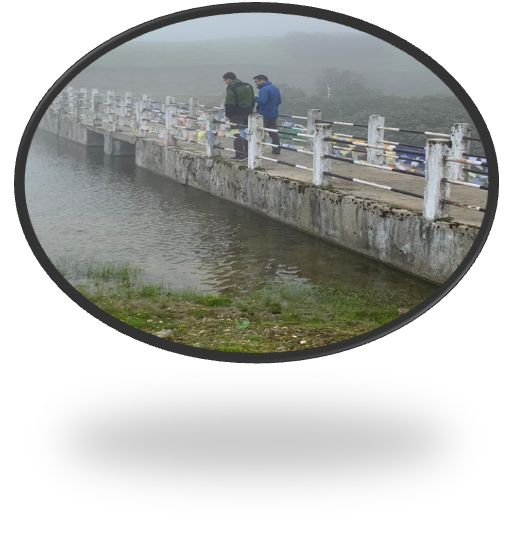
When the destination is hidden by the mist, a guide can make all the difference.
For years, I have met students—not just teenagers, but even 25-year-olds—who ask questions that are both simple and unsettling:
"Where is this taking me?"
"I never wanted to do litigation."
One of these was a brilliant law graduate who had excelled academically but found little enthusiasm for the career that lay before him.
It made me reflect on how often we mistake education for direction.
I remember my own son, at the age of three, announcing with complete seriousness, "I want to be a cooker." 😊
Twenty years later, he still loves cooking. He bakes wonderful pies and tiramisu, yet he had no desire to become a chef. Equally unsuccessful was my attempt to persuade him to study Commerce and become a Chartered Accountant—our khandani pesha, with several CAs in the family.
What he had was clarity about what he didn't want. What he lacked was a roadmap to what he did want.
That, I believe, is where career counselling makes a real difference.
Almost every young person grapples with two fundamental questions:
👉 What should my career be?
👉 How do I get there?
Career counselling cannot—and should not—make these decisions for anyone. But it can help individuals understand their interests, strengths, personality, values, and aspirations. It helps them explore career options that are both meaningful and practical.
It is not a crystal ball. Interests evolve, opportunities change, and aspirations mature. Career counselling is not about predicting the future; it is about enabling informed decisions in the present.
The bridge in this photograph reminds me of that journey. When the path ahead is shrouded in mist, the destination may not be visible. But taking the next step becomes much easier when someone helps you see the way.
Career counselling shows the path. Choosing the destination—and walking the journey—remains our own responsibility.
— Dr. Charu N Thakur